

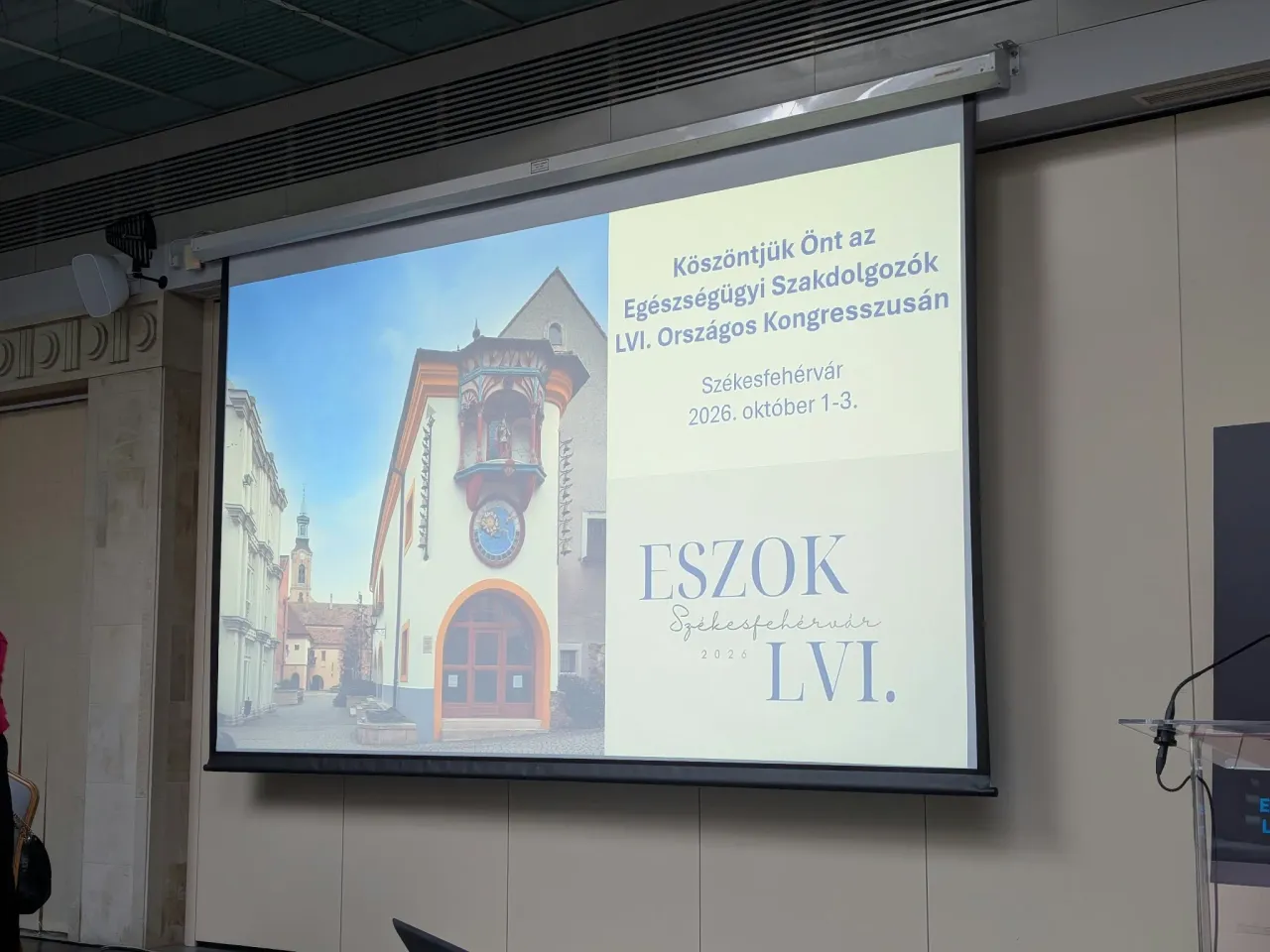
The same question on a third professional stage
The Székesfehérvár presentation followed talks at the MESZK Congress in Siófok and the National Midwives Conference in Pécs. All three addressed the same change in pregnancy care: families now bring information from search engines, social media, pregnancy apps and generative AI into the professional relationship.
This new report does not repeat the full evidence review from those sessions. Our first story, “Google or expert guidance?”, explains the research and the practical framework in detail. The ESZOK talk carried that foundation forward and focused on the healthcare professional’s role in the digital information space.
Sources for this section: ESZOK 2026 official programme, Google or expert guidance? Trust in the digital space of pregnancy care, Momminess at Hungary’s National Midwives Conference
Professional and digital sources now exist side by side
The presentation returned to a study of 1,922 pregnant women. Midwives were the most commonly used information source at 91.5%, while 77.9% used websites and 61% used apps. The figures do not describe a choice between professional care and digital information. They show that people use both.
That makes interpretation part of care. A professional can ask what someone found, help trace the source and explain when general information no longer fits an individual symptom, result or decision.
Sources for this section: Sources of information used by women during pregnancy and the perceived quality, Google or expert guidance? Trust in the digital space of pregnancy care
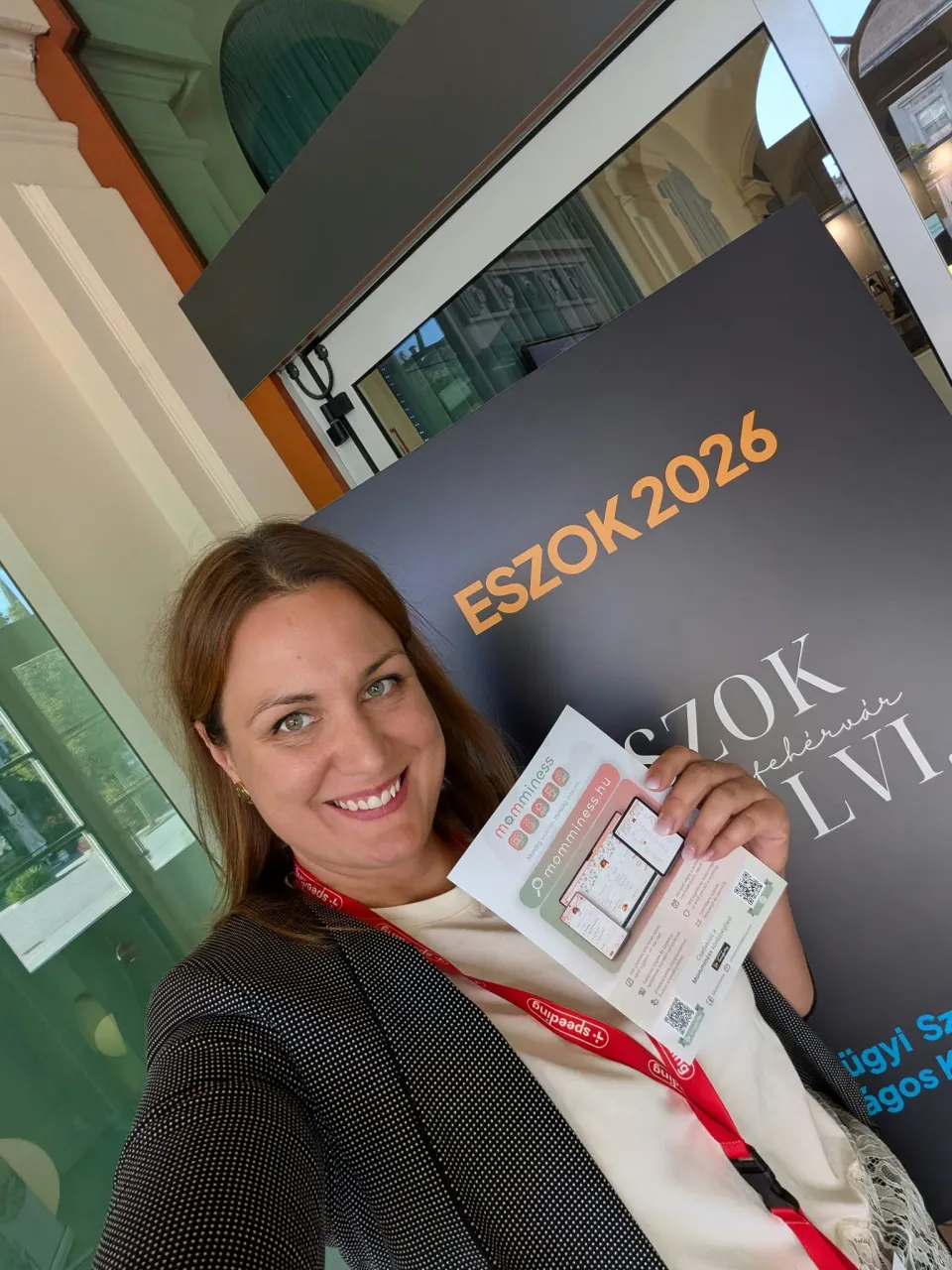
A convincing AI answer can still be wrong
Search results at least show that several sources exist. Generative AI can instead produce one fluent, personal-sounding answer in seconds. Its confident tone may hide missing context, outdated information or a response that does not account for individual risk.
WHO guidance on large multi-modal models in health highlights the need for careful governance and safeguards. In everyday pregnancy care, a useful starting point is simpler: check who stands behind the answer, what sources support it and whether a healthcare professional needs to assess the situation.
Sources for this section: Ethics and governance of artificial intelligence for health: Guidance on large multi-modal models
A professional presence between appointments
The closing part of the talk connected this responsibility to Momminess. A digital tool can keep professionally grounded, understandable information available between appointments and help people bring better questions back into care.
That role has a clear boundary. Momminess can organise knowledge, notes and practical tools, but diagnosis and treatment remain the responsibility of healthcare professionals. Digital support works best when it strengthens the next professional conversation.
Sources for this section: Google or expert guidance? Trust in the digital space of pregnancy care